

Two important changes to timeline recommendations: - New AI/SI ranking model that predicts probable time spent much better - Retrieval model trained to surface posts people read all the way through User active seconds is growing exponentially and hitting all-time highs almost every day:
Product, Technology & Industry Updates
First-hand posts from AI researchers, developers and teams
12 updates

Our latest model advances bring stronger capabilities for building and migrating software in low-resource programming languages such as COBOL, Fortran, and Visual Basic. These languages power software that banks, governments, and businesses depend on. Progress here means understanding decades of business logic and helping developers modernize those systems while preserving what works. We’re building these capabilities around the challenges developers and enterprise customers bring us. If your team is working on these systems, tell us which languages and workflows we should tackle next. openai.com/index/low-reso…


Today we published a technical report on Muse Glimmer, our 30B open-weight model built for agentic tasks on consumer hardware. It runs at practical speeds on a Mac or PC with a single consumer GPU at 4-bit precision, and leads comparably-sized open models on tool use and multi-step planning. Read about the model architecture, distillation recipe, quantization and more: go.meta.me/4Bcvxol

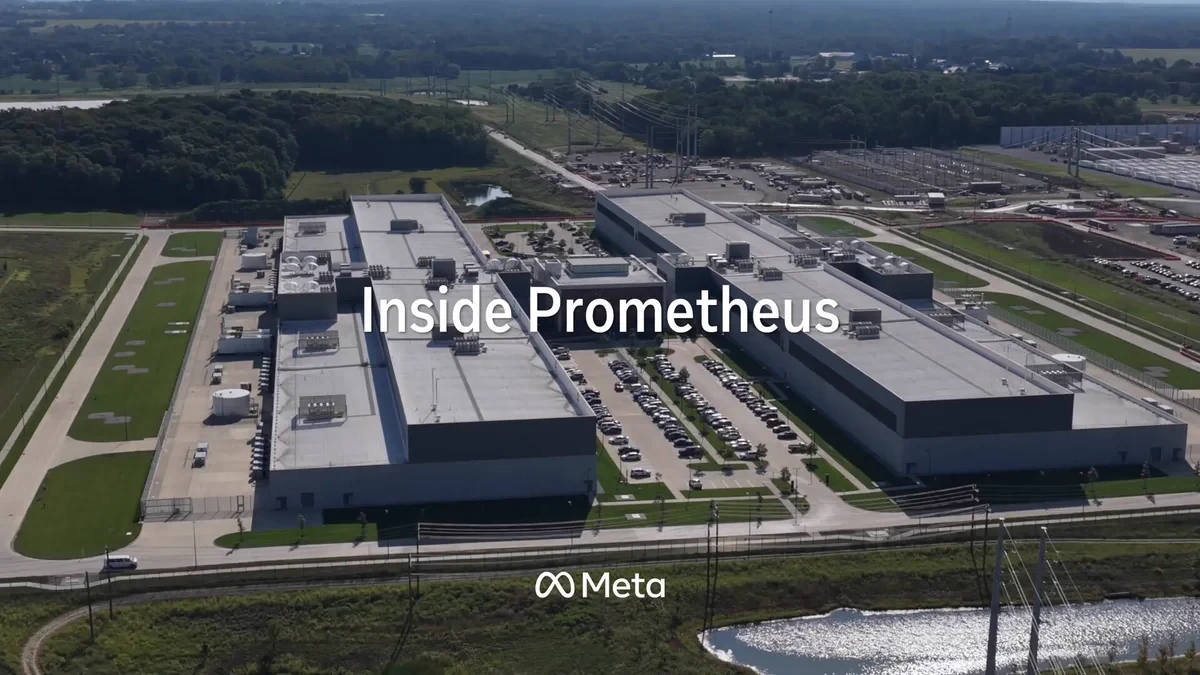
We trained our Muse foundational models, including Muse Wonder, at Prometheus, our gigawatt-scale supercluster in New Albany, Ohio. Across a supercluster with hundreds of thousands of GPUs, even one underperforming host can slow an entire training run. We engineered Prometheus for resilience at scale, achieving 85%+ goodput on pretraining, 90%+ on reinforcement learning and ~47K GPU hours mean time between interruptions during Muse Wonder training. Take a look at the tech powering Prometheus: go.meta.me/4yXXApZ

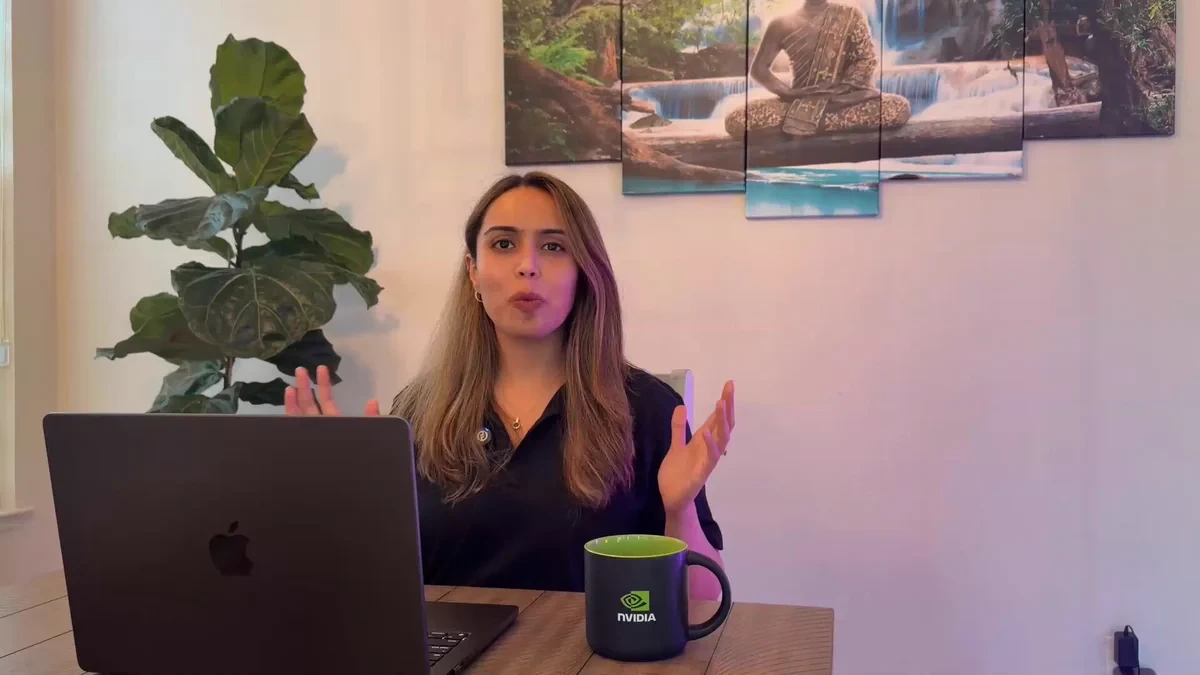
Already running a model endpoint? What does it take to scale it on Kubernetes? In five minutes, we walk through how NVIDIA Dynamo handles deployment with scalable workers and an OpenAI-compatible endpoint. Watch below:

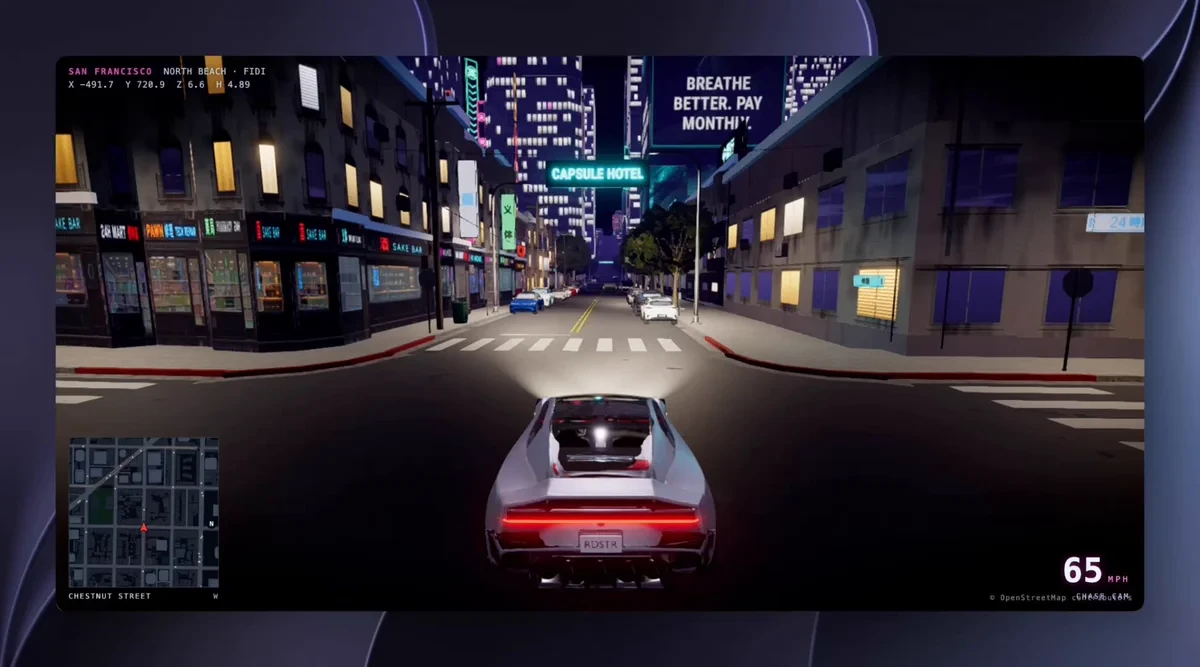
Cyberpunk inspired Roadster free-roam browser game built by Perplexity Computer: 2049.pplx.app

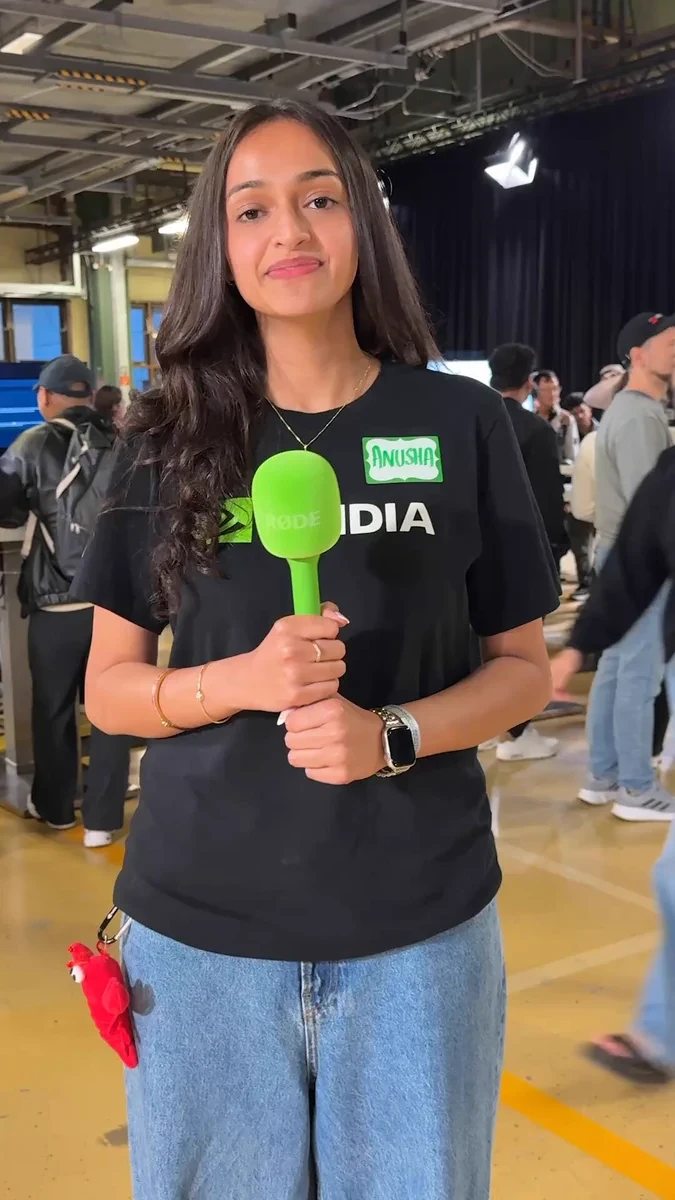
That's a wrap on Build-A-Claw Berlin! And we of course served @lobsterlager. A father/son duo used @openclaw to make a lager. Thank you to everyone who stopped by and we're looking forward to an amazing week at @NVIDIAGTC Berlin.

🚀 DeepSeek-V4.1-Flash-1017 is here! Stronger benchmark performance, faster task completion, and shorter outputs than the previous version—a Pareto improvement in performance and cost. Now live on our website, app, and API. 🛠️ Optimized for @DeepSeekHarness, Tencent CodeBuddy, WorkBuddy, and more. Upgrade to DeepSeek Harness v0.2.1-rc.1 or later for the best experience with the new model. 1/4

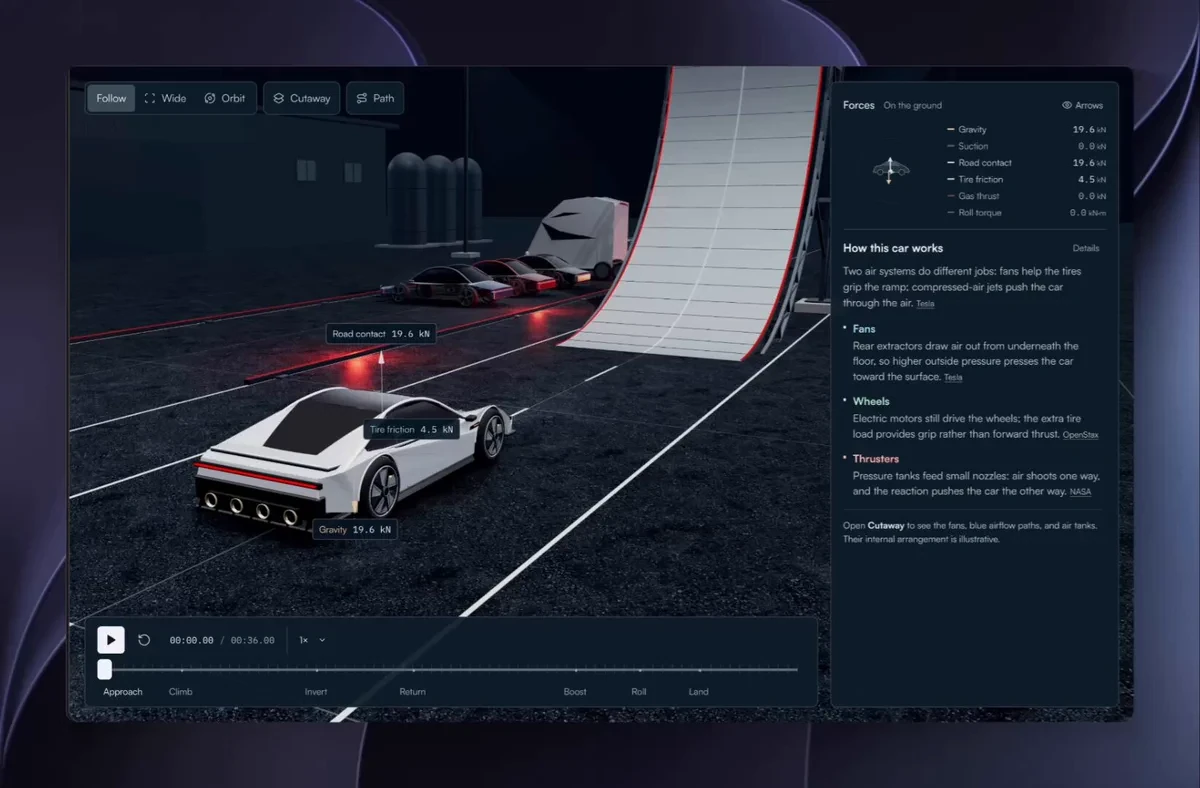
the physics behind the roadster - roadster.pplx.app

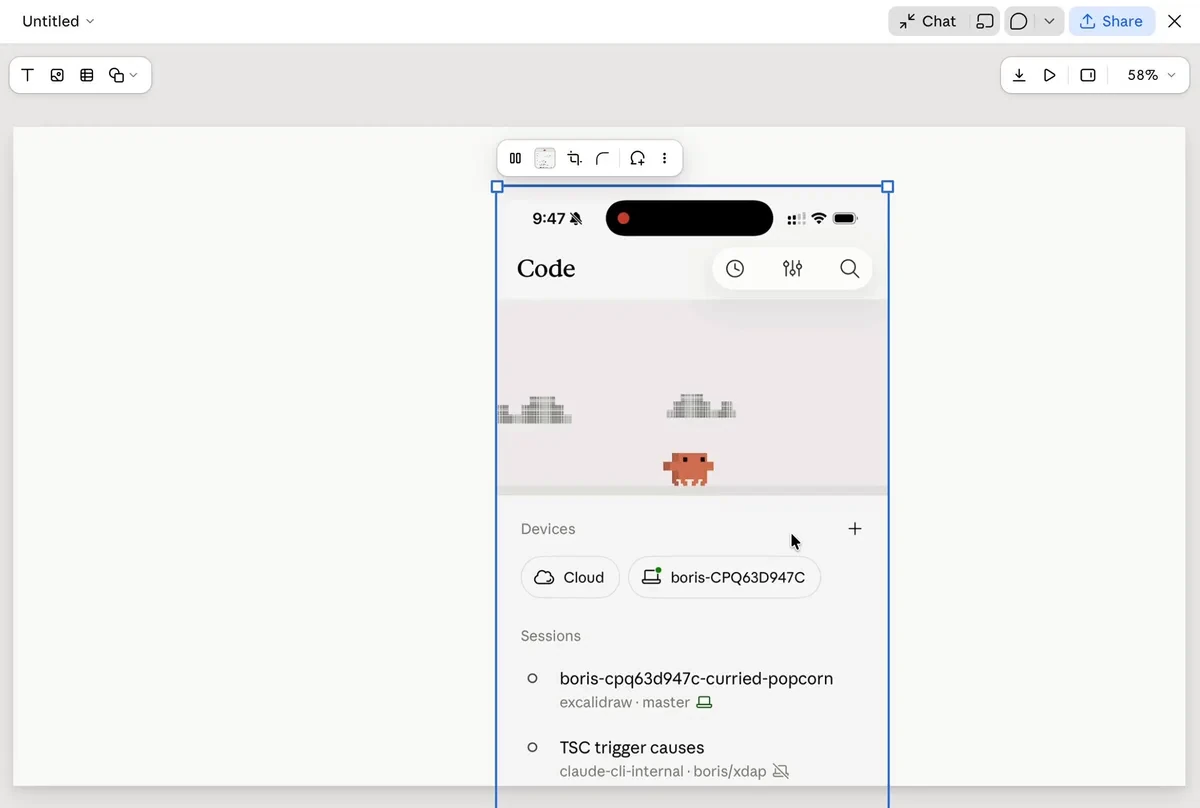
Don't sleep on Claude Slides. This is how I make slide decks now -- no more googling "iphone frame svg" like the old days Try it: claude.ai/artifacts

We're expanding access to GPT-Rosalind for academic research. The new Rosalind Academic Plan helps scientific labs bring AI into the work of understanding biology, exploring ideas, and deciding what to test next—with sponsored access for eligible labs at U.S. universities. Academic research starts with questions whose impact may take years to impact human health.


New voices. Better accents. And less "checking..." GPT-Live-1.1 brings these updates to Voice in ChatGPT, Codex, and dots, with new voices in French, German, Hindi, Mexican Spanish, Korean, and Japanese. Rolling out today to all users. Coming soon to the API.